

 1-4 hrs delivery

 Get₹1000
 Cart
 Categories1-4 hrs delivery
Select delivery location

Construction Material Buying Guides
In-depth pricing, brand comparisons and buying tips for cement, tiles, pipes, paints and electricals — written for builders, contractors and homeowners in Bengaluru and Mumbai.
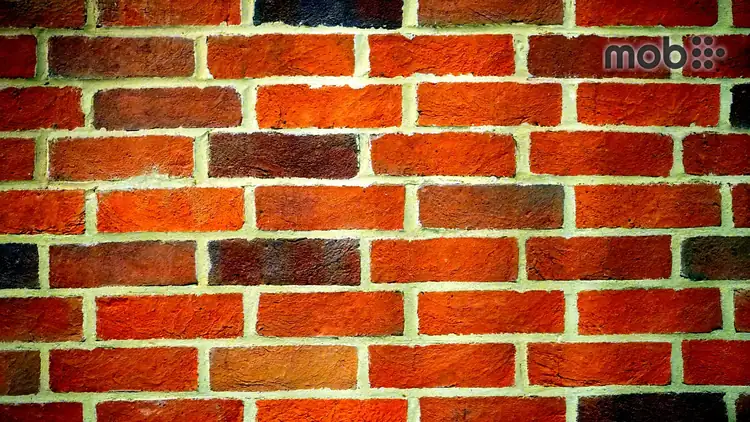
AAC Blocks vs Red Bricks: Compare the Finished Wall, Not the Price of One Block
AAC blocks and red bricks should be compared as finished wall systems, not by the price of one unit. AAC is larger and lighter and can reduce joints and speed up walling; red brick has a deep workmanship ecosystem and different strength, absorption and finishing behaviour. The right choice depends on structural system, wall thickness, local supply, detailing and execution quality.
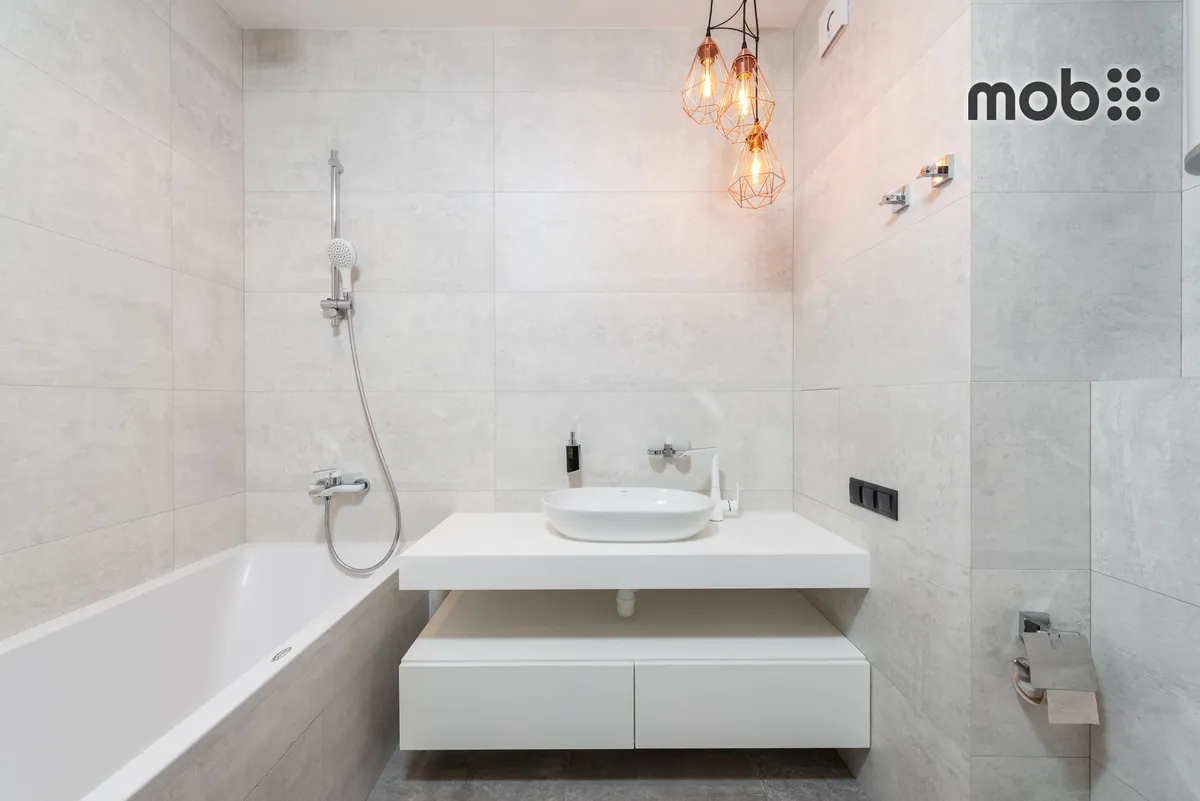
MR vs BWR vs BWP Plywood: Choose by Water Risk, Not by the Carpenter's Favourite Word
MR, BWR and BWP are not simple good-better-best labels. They describe different moisture/water-resistance classes and standards. A bedroom wardrobe and an under-sink cabinet do not face the same risk, so paying for the highest grade everywhere can waste money while under-specifying wet zones can cause expensive failures.

How to Compare Construction Material Quotations: The Cheapest Total Can Be the Expensive Quote
Quote A is ₹3,000 cheaper. Then you notice its pipe brand was substituted, freight is extra and cement is quoted per bag while another line uses a bundle. A fair construction quotation comparison normalises specification, unit, quantity, tax, logistics, payment and delivery before comparing landed cost.
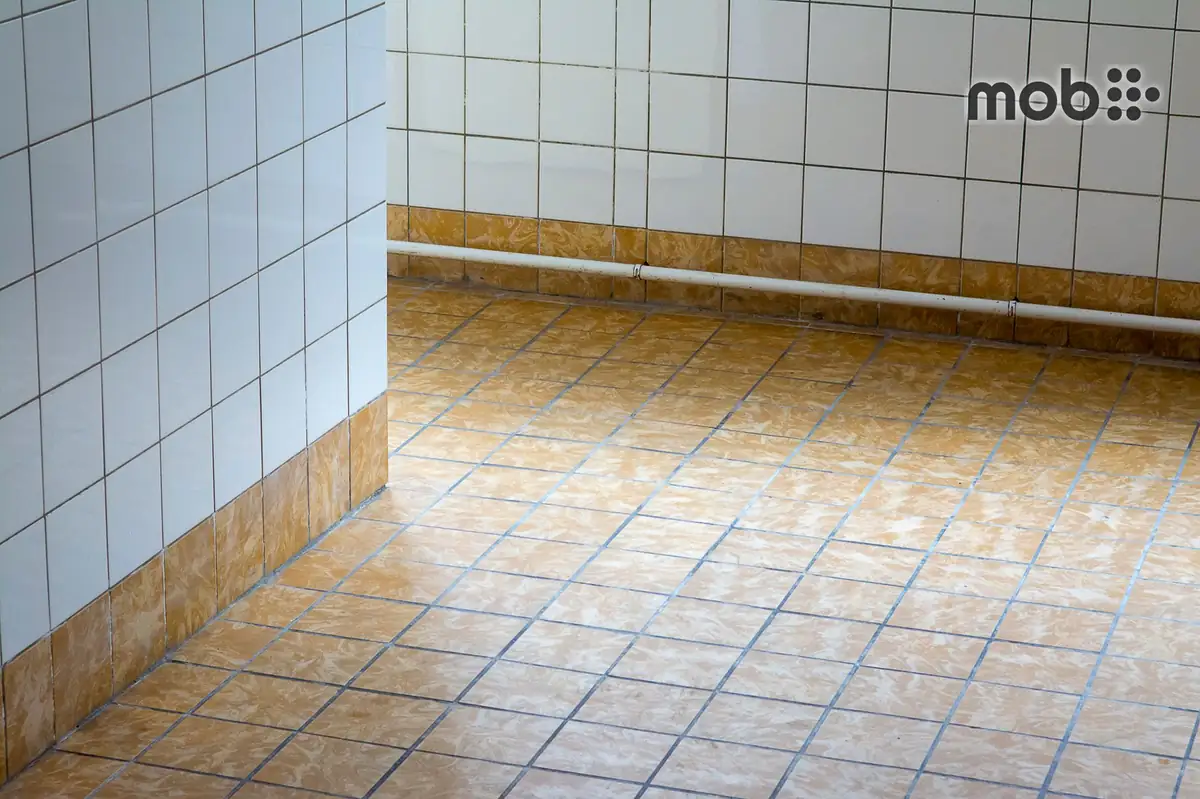
Bathroom Waterproofing Cost: Price the System Before You Pay to Break the Tiles Twice
Bathroom waterproofing should be priced as a complete system: substrate preparation, corners, pipe penetrations, floor drain details, membrane/coats, wall upturns, curing and testing. A low ₹/sq ft rate can be expensive if it excludes the details where bathrooms actually leak.
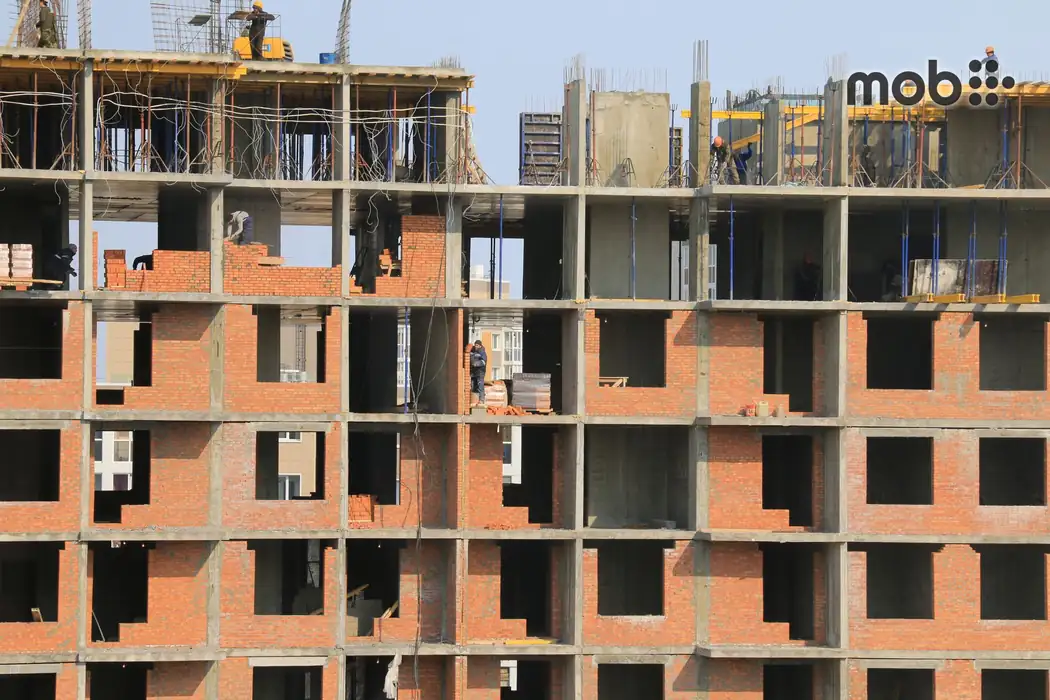
House Construction Cost in Bangalore 2026: What the ₹/Sq Ft Rate Usually Leaves Out
Published Bangalore construction rates can look anywhere from budget-focused numbers to ₹3,500+ per sq ft because the word 'construction' does not describe one fixed scope. A useful budget separates structure, masonry, MEP, waterproofing, finishes, external works, approvals and interiors — then checks exactly what the contractor's ₹/sq-ft package includes.
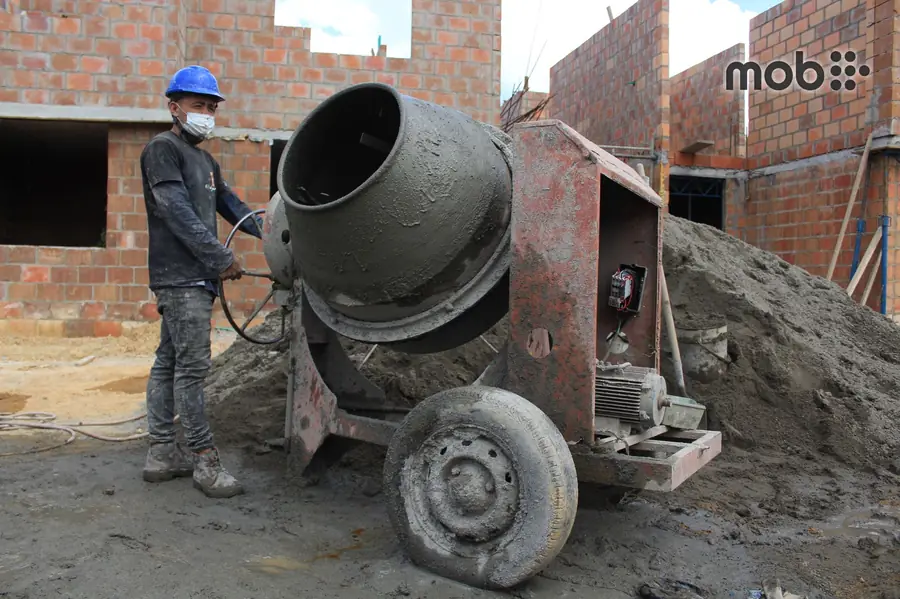
OPC 43 vs OPC 53 vs PPC: The Bigger Cement Grade Number Is Not the Whole Answer
OPC 53 is not automatically 'better cement' than OPC 43 or PPC. The grade number relates to strength requirements for the cement class, while the best project choice depends on structural design, required early strength, heat development, workability, exposure, curing and the approved specification.
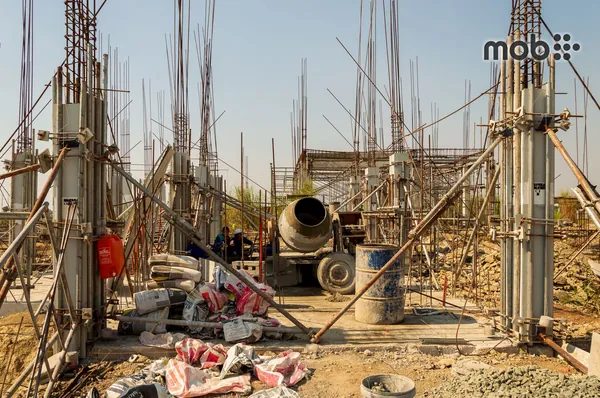
How Many Cement Bags for a 1000 Sq Ft House? Calculate Before You Order 400 Bags
For early budgeting, a conventional 1000 sq ft residential project may fall around 350–450 bags of 50 kg cement, but that number is not a purchase order. The final quantity comes from RCC volumes, masonry, plaster, flooring and other specified work calculated separately.
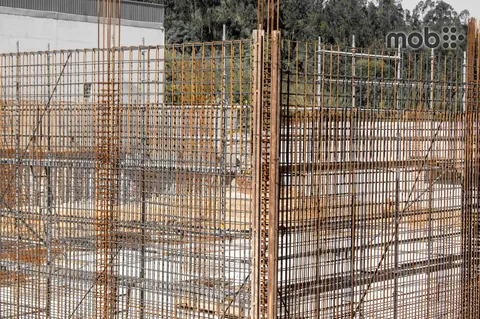
Steel Required for 1000 Sq Ft House: Use the BBS Before the 4 kg/Sq Ft Rule
For early budgeting, a 1000 sq ft residential project may broadly fall around 3–5 tonnes of reinforcement, but floor area cannot determine a safe final steel order. The structural drawings and bar bending schedule decide diameter, shape, length and quantity bar by bar.

UltraTech Cement Price Bangalore Today: PPC vs. OPC Guide (Aug 2026)
For UltraTech cement prices in Bangalore today, updated for August 2026, check live, competitive pricing on platforms like MOB. Learn the crucial differences between PPC and OPC cement, how to calculate your exact bag requirements, and smart procurement tips to avoid waste and ensure smooth site delivery.


 2026 by Madoverbuilding AI Private Limited


